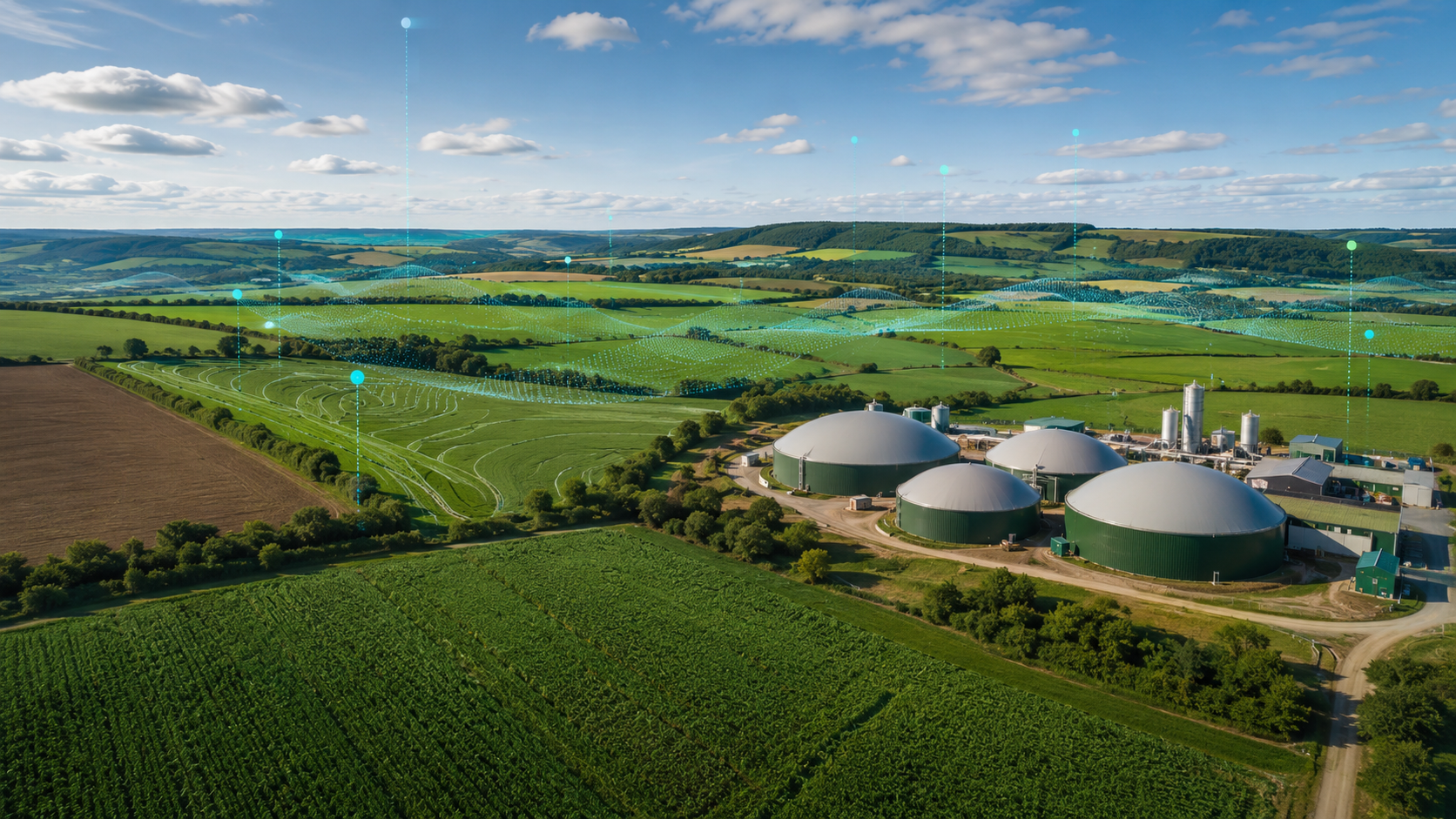
The East Asia operating context
This regional landscape combines major industrial systems, coal, LNG, advanced sensors and high-capacity research programmes. For livestock, the practical question is not whether more data is possible, but which evidence is proportionate to the decision, asset and response time.
Methane is not a single-industry subject. It sits at the intersection of atmospheric science, engineering, energy security, agriculture, waste management and industrial strategy. Understanding it requires the language of molecules and the perspective of global systems.
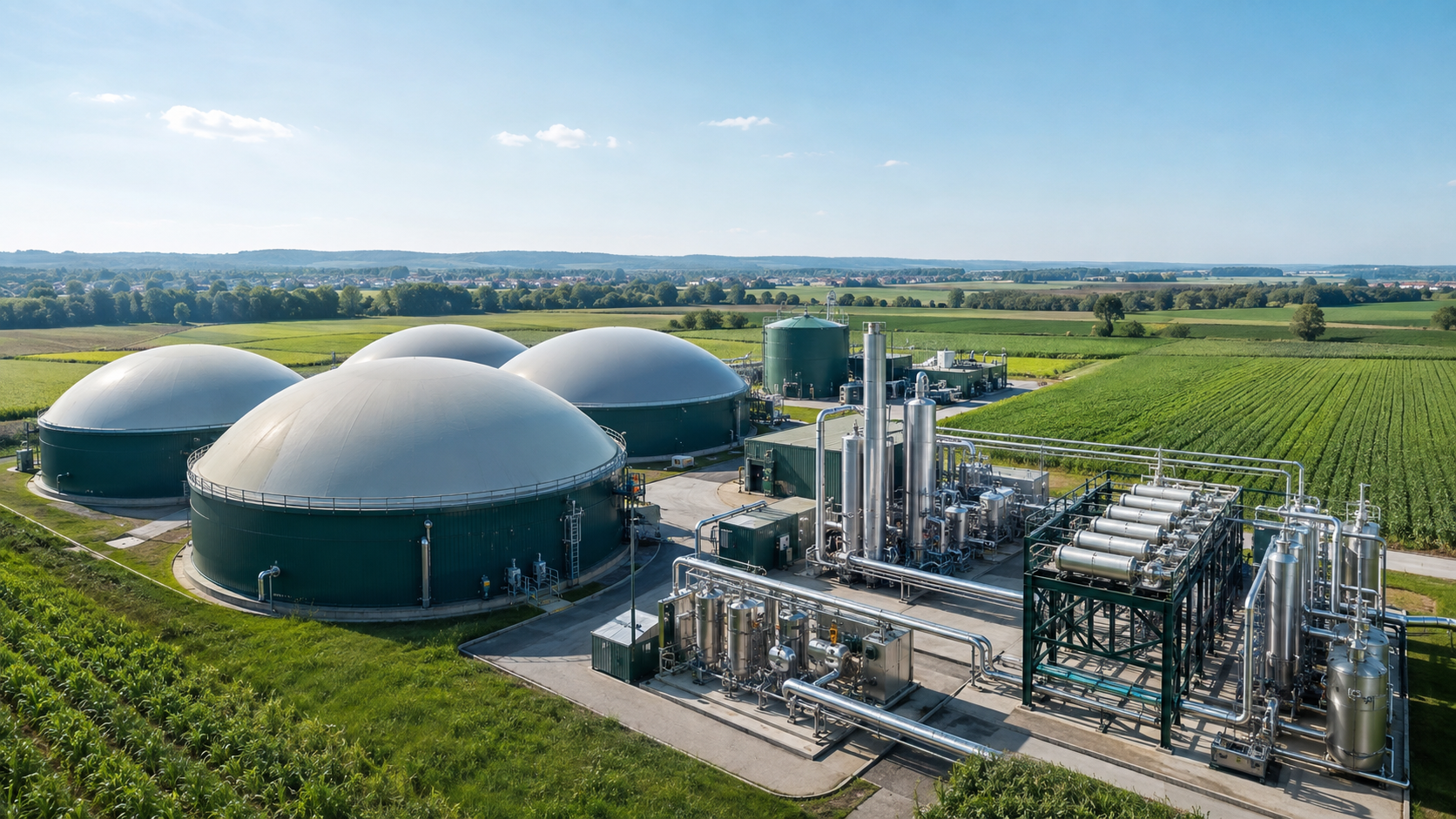
Applying Satellite Spectroscopy
Satellite Spectroscopy contributes wide-area screening, repeat observation and plume attribution from orbit. Its value depends on how well performance limits, weather, asset information and follow-up workflows are understood in the context of enteric fermentation, manure management and farm-scale intervention pathways.
The most useful intelligence does not stop at a headline number. It asks how a measurement was produced, what scale it represents, what uncertainty remains and which decision can reasonably follow. CH4.ai is structured around that chain—from observation to interpretation and from interpretation to action.
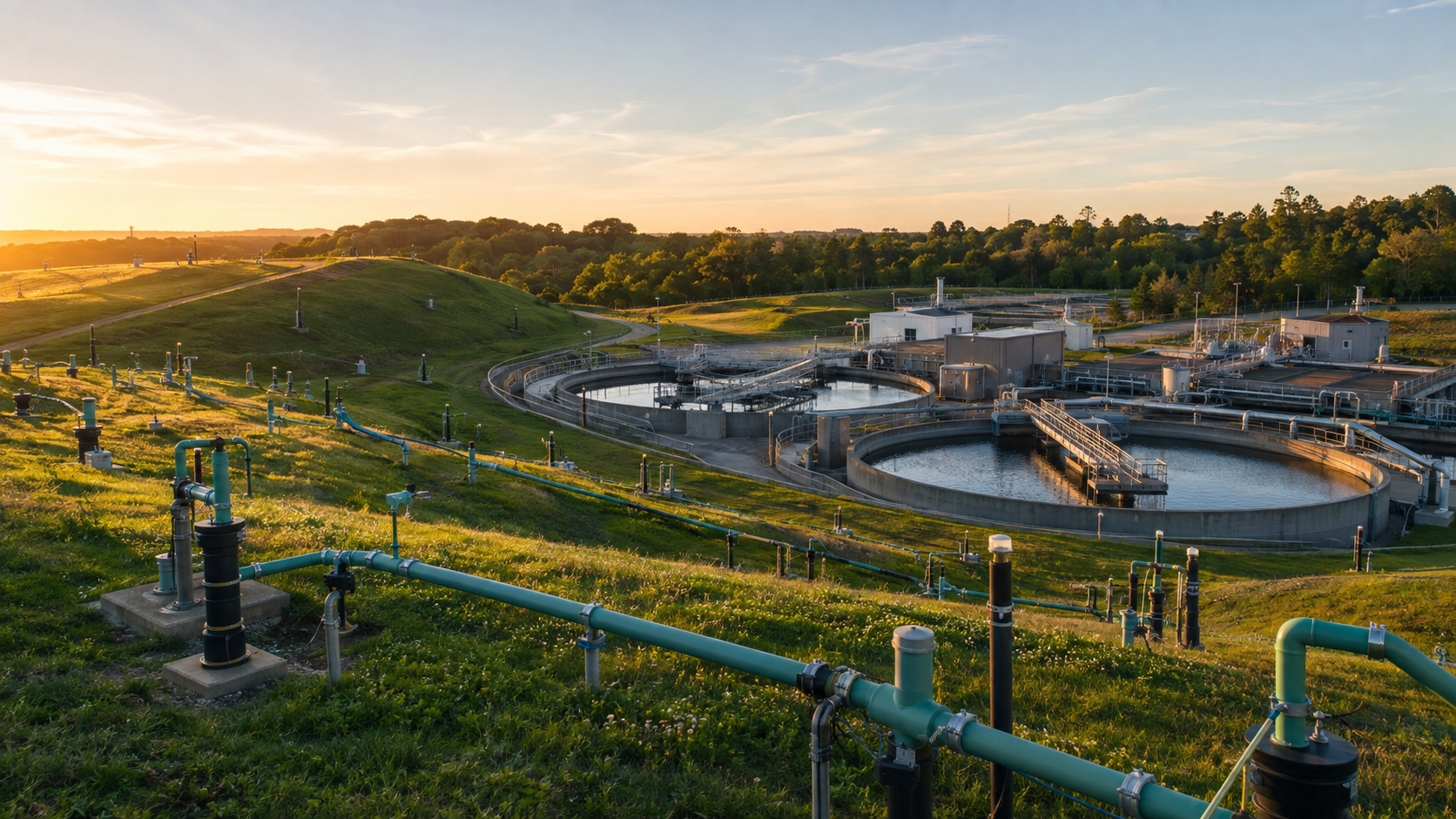
From signal to verified outcome
A credible programme joins screening, confirmation, assignment, corrective action and verification. In East Asia, strong implementation should make uncertainty visible, preserve a clear evidence trail and report outcomes rather than alerts alone.
This is a fast-moving field. Public agencies, research teams and private companies are creating new instruments, analytical methods and operational practices. Readers should treat primary technical sources as the foundation and use independent platforms to connect the pieces.
Questions for procurement teams
Buyers should compare detection thresholds, coverage, revisit frequency, data ownership, quality assurance, integration effort and total operating cost. Claims should be tested against the exact conditions found in livestock assets.
Methane is not a single-industry subject. It sits at the intersection of atmospheric science, engineering, energy security, agriculture, waste management and industrial strategy. Understanding it requires the language of molecules and the perspective of global systems.
The strategic opportunity
Better information can direct capital and field attention toward the largest, most persistent or most economic opportunities. The goal is a measurement architecture that improves decisions—not simply a larger volume of data.
The most useful intelligence does not stop at a headline number. It asks how a measurement was produced, what scale it represents, what uncertainty remains and which decision can reasonably follow. CH4.ai is structured around that chain—from observation to interpretation and from interpretation to action.
OPERATIONSMONITORINGGLOBAL VIEWWhat is moving now.
UNEP: AI is turning methane observations into real mitigation
UNEP reports that artificial intelligence now lets analysts process far more satellite data while maintaining scientific review.
Source: UN Environment Programme ↗IEA publishes the Global Methane Tracker 2026
The latest edition combines satellites and measurement campaigns with sector estimates, costs and abatement pathways.
Source: International Energy Agency ↗ESA profiles the AI4CH4 plume-detection framework
The project focuses on AI-supported detection and quantification of methane plumes using satellite imagery.
Source: European Space Agency ↗Starship continues development around methane-fuelled Raptor engines
SpaceX’s launch system provides a highly visible example of methane as an engineered propellant, not only an emissions topic.
Source: SpaceX ↗The builders behind the methane era.
Elon Musk / SpaceX
Methane propulsion at unprecedented scaleStarship’s Raptor engines use methane and oxygen, making CH₄ central to a globally watched reusable-launch program.
OFFICIAL SOURCE ↗02UNEP IMEO
Global public methane intelligenceThe International Methane Emissions Observatory integrates satellites, science studies, industry reporting and national inventories.
OFFICIAL SOURCE ↗03International Energy Agency
Energy-sector data and abatement analysisThe IEA’s Methane Tracker brings together country estimates, technology options and policy analysis.
OFFICIAL SOURCE ↗04European Space Agency
Earth observation and applied AIESA-backed programs advance satellite methods, datasets and AI workflows for detecting atmospheric methane.
OFFICIAL SOURCE ↗From observation to verified action.
Strong methane intelligence is not a single sensor or dashboard. It is a disciplined chain of evidence, interpretation, ownership and follow-through.
Define the decision
Every measurement program should begin with the question it must answer. Detecting a major regional plume, screening thousands of facilities and verifying a repaired valve require different instruments, time scales and evidence.
Match scale to instrument
Orbital, aerial, mobile and fixed systems observe different spatial and temporal scales. A credible architecture combines technologies according to coverage, sensitivity, revisit frequency, weather and operating context.
Preserve uncertainty
Methane information should communicate detection limits, wind assumptions, retrieval conditions and uncertainty. A precise-looking number is not automatically a decision-grade number.
Close the response loop
Observation creates value only when a signal is assigned, investigated, resolved and documented. Leading programs connect analytics to operational ownership and verification.
What decision-makers ask.
01Why is methane written as CH₄?+
The formula describes one carbon atom bonded to four hydrogen atoms. It is the simplest hydrocarbon and the principal component of natural gas.
02Can satellites see every methane leak?+
No. Detection depends on instrument sensitivity, plume size, clouds, sunlight, surface conditions, wind and revisit timing. Satellites are powerful screening tools, not universal replacements for field measurement.
03What does artificial intelligence add?+
AI can help identify plume-like patterns, segment imagery, combine sensor streams and prioritize events for expert review. Scientific validation and human judgment remain essential.
04Is methane only an oil-and-gas issue?+
No. Important human-related sources include fossil fuels, livestock, rice, landfills, wastewater and bioenergy. Methane is also an industrial feedstock and engineered fuel.
05What makes a measurement credible?+
A clear method, known performance limits, appropriate calibration, transparent assumptions, quality control and evidence that matches the decision being made.
06How quickly can mitigation happen?+
Some equipment-level issues can be repaired rapidly after confirmation. Larger projects involving mines, waste systems or infrastructure require engineering, capital and longer planning cycles.
07Does a company listing mean endorsement?+
No. CH4.ai is an independent information platform. Directory inclusion and external links are informational unless a relationship is explicitly stated.
08How often is this platform updated?+
Editorial signals and source links are reviewed as important public reports, missions and technology developments appear. Publication dates and primary sources are shown wherever possible.
The language of methane intelligence.
Abatement
An action or technology that reduces methane released to the atmosphere.
Anthropogenic
Originating from human activity rather than natural processes.
Biomethane
Methane-rich gas produced by upgrading biogas.
Detection threshold
The smallest signal an instrument can reliably identify under stated conditions.
Flux
The rate at which methane passes through an area or system.
Fugitive emission
An unintended release from equipment, infrastructure or operations.
Methane intensity
Methane emissions expressed relative to a measure of production or output.
Plume
An enhanced concentration of gas transported away from a source by air movement.
Quantification
Estimation of an emission rate or total amount from observations and models.
Remote sensing
Measurement from a distance, including satellite, aircraft and drone instruments.
Revisit time
The interval between observations of the same location.
Super-emitter
A source or event with an exceptionally large emission rate relative to typical sources.
Continue with authoritative evidence.
CH4.ai links readers directly to public agencies, scientific programmes and official engineering sources.
UNEP International Methane Emissions Observatory
Open data, MARS alerts, science studies and industry reporting.
IEA Global Methane Tracker 2026
Energy-sector estimates, abatement options, costs and policy analysis.
ESA AI4CH4
AI-supported methane plume detection and quantification using satellite imagery.
UNEP Methane Alert and Response System
Global satellite detection, notification and response information.
SpaceX Starship
Official engineering overview of the methane-fuelled Starship launch system.
ESA Greenhouse Gas Climate Initiative
Satellite-derived carbon dioxide and methane climate data products.
Is your company part of this landscape?
Request a factual company profile or enquire about enhanced visibility.
ADD YOUR COMPANY →